Deviant Anomalies
Play Deviant Anomalies
Deviant Anomalies Screenshots
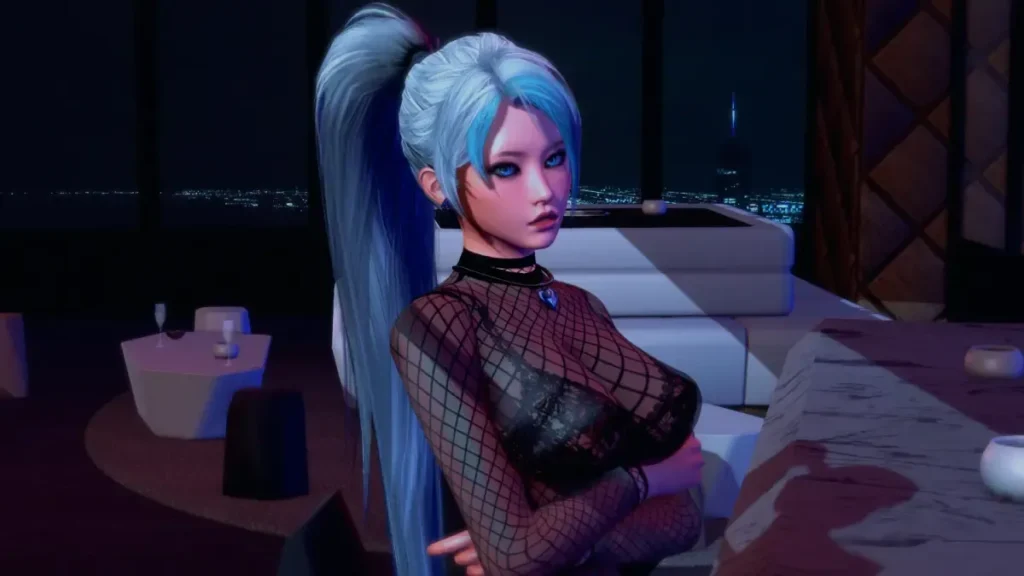
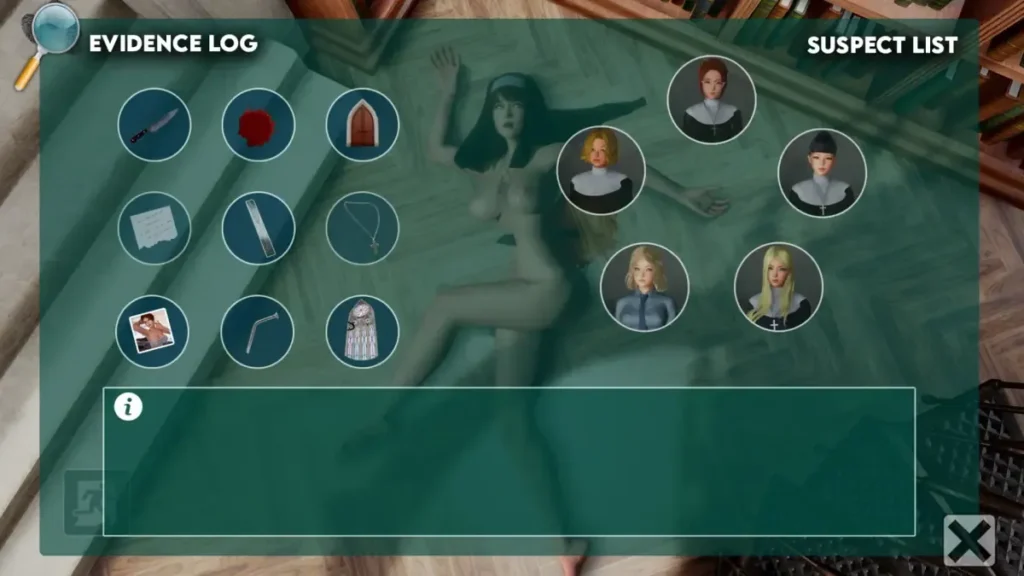

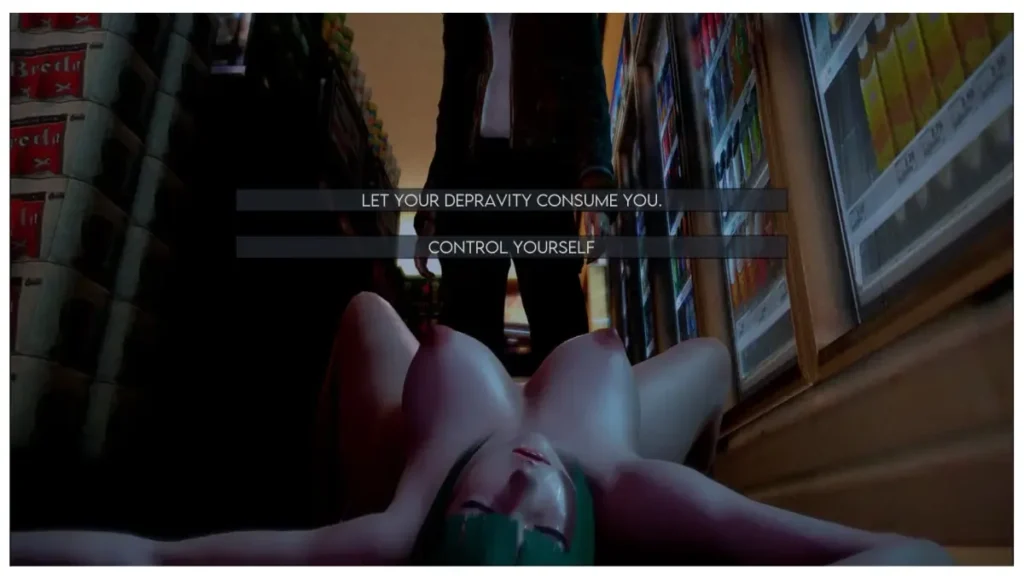
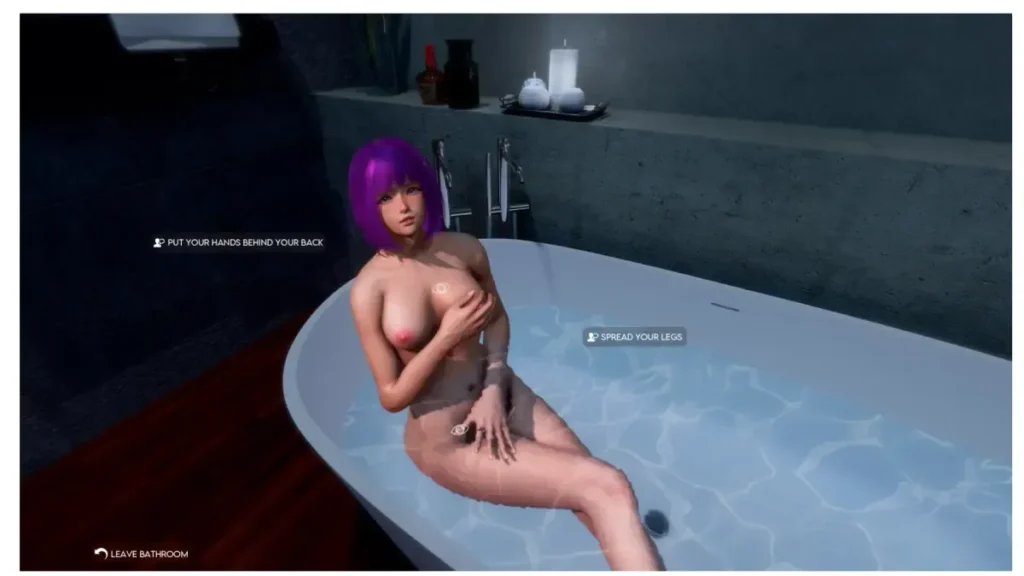

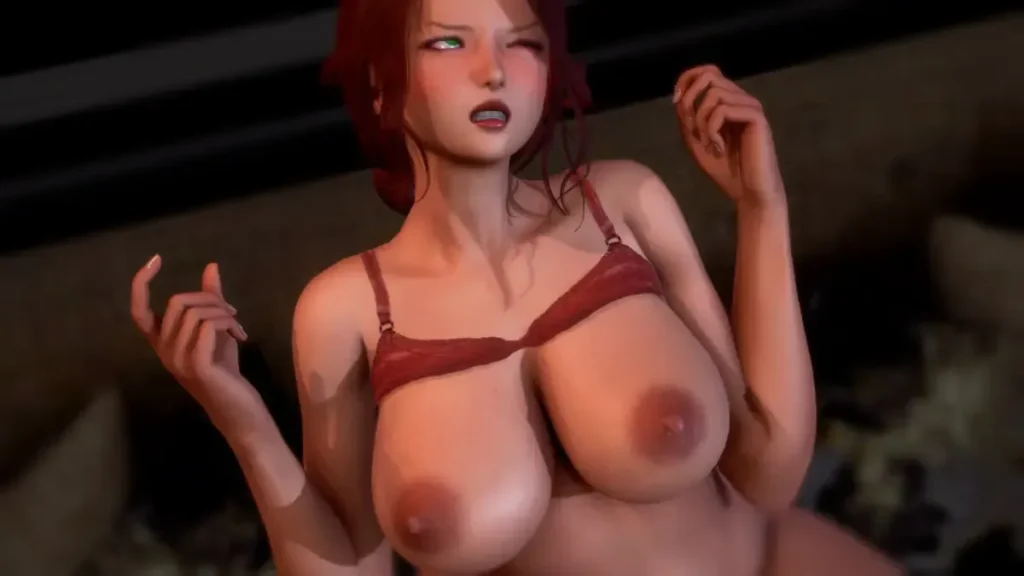
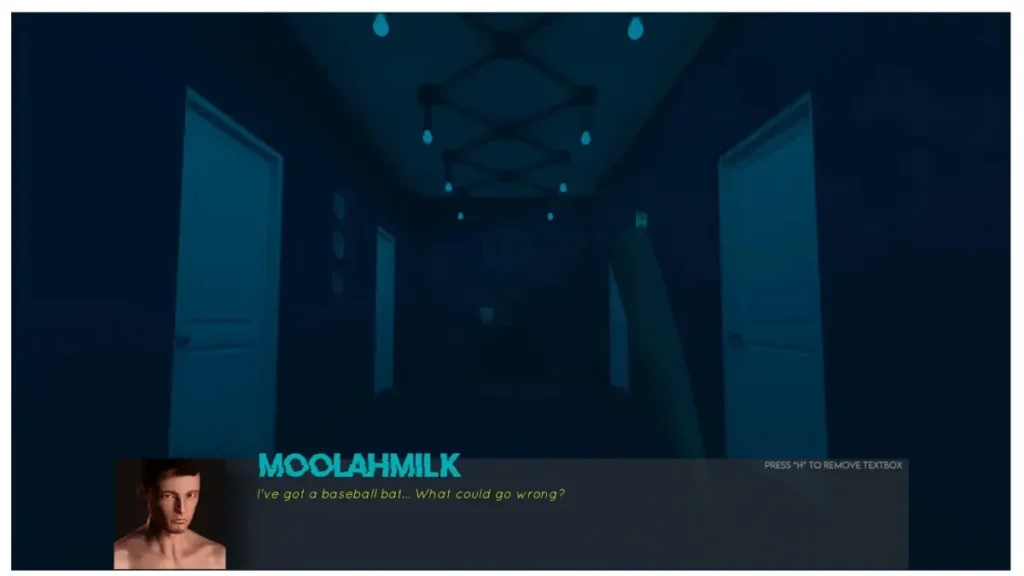
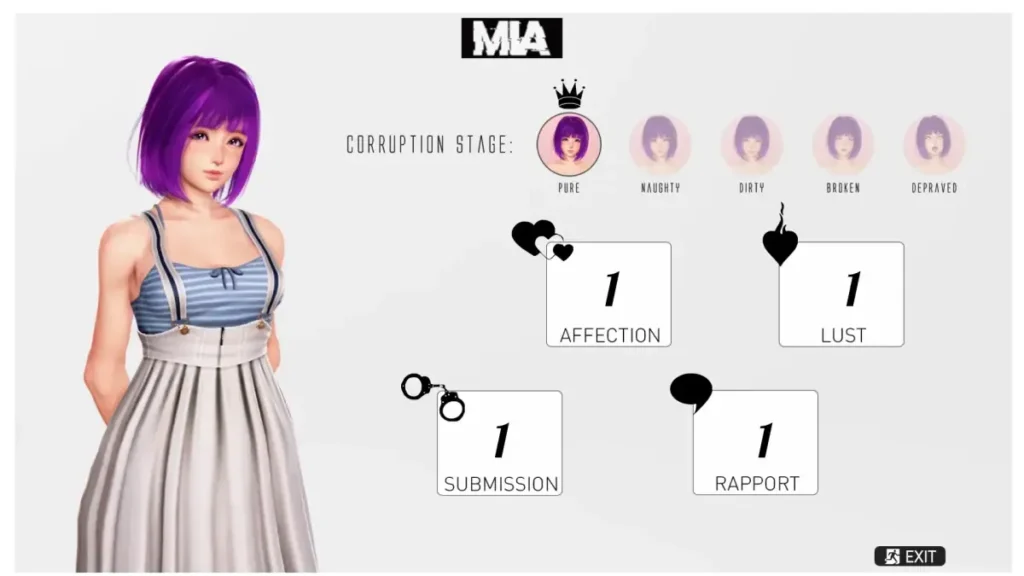

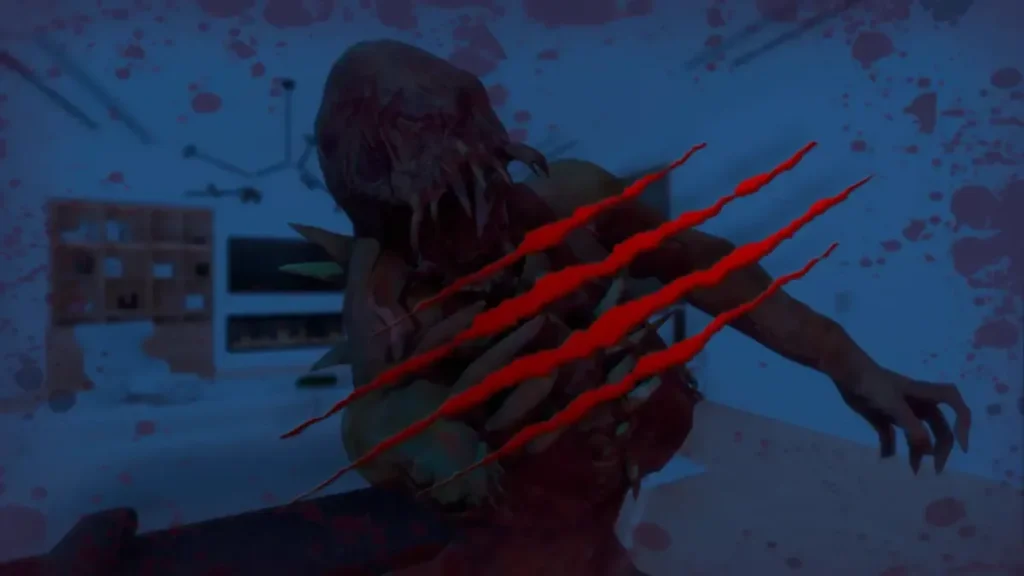

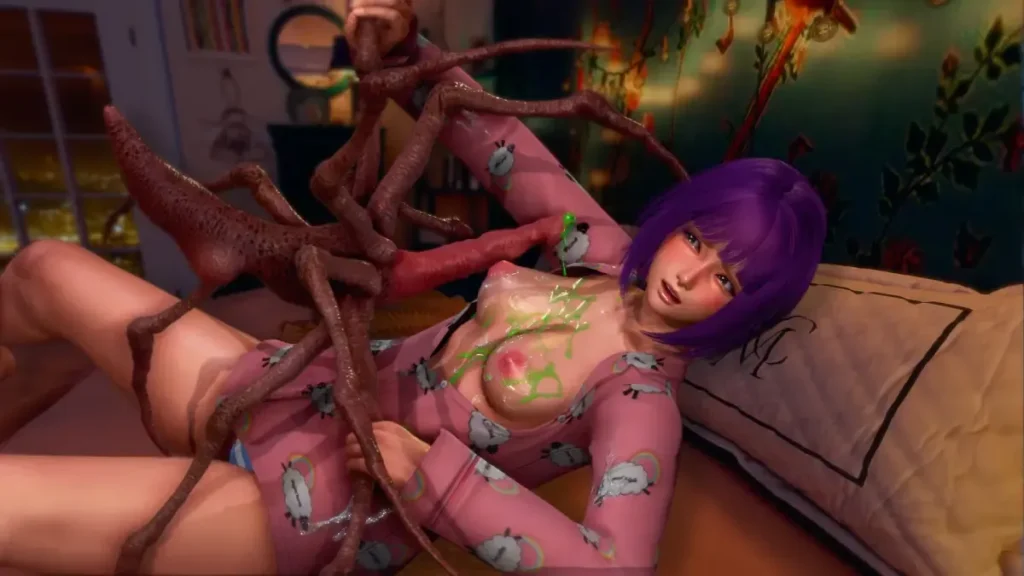
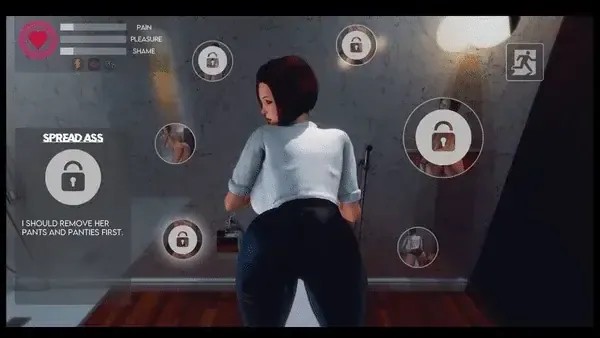
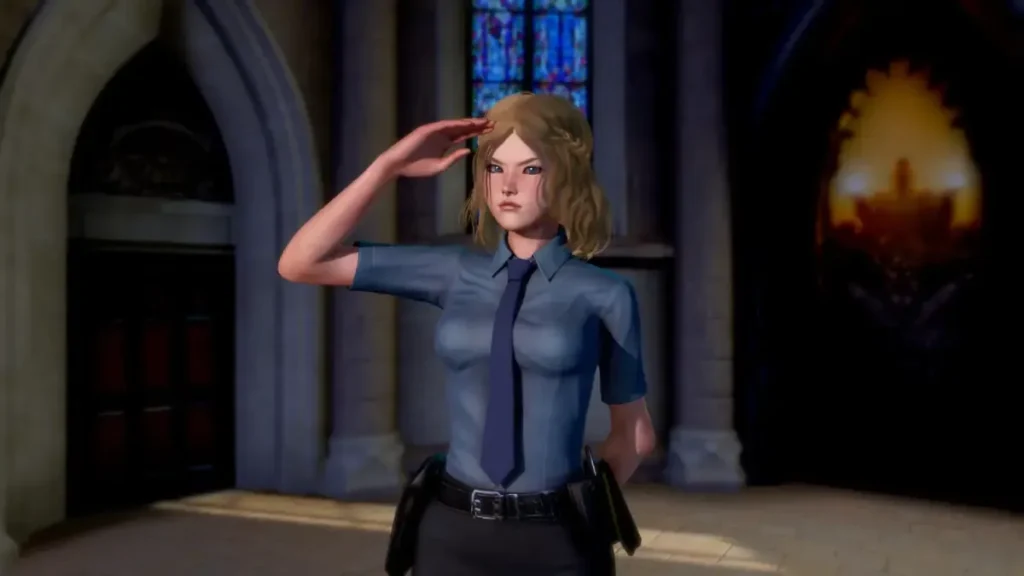
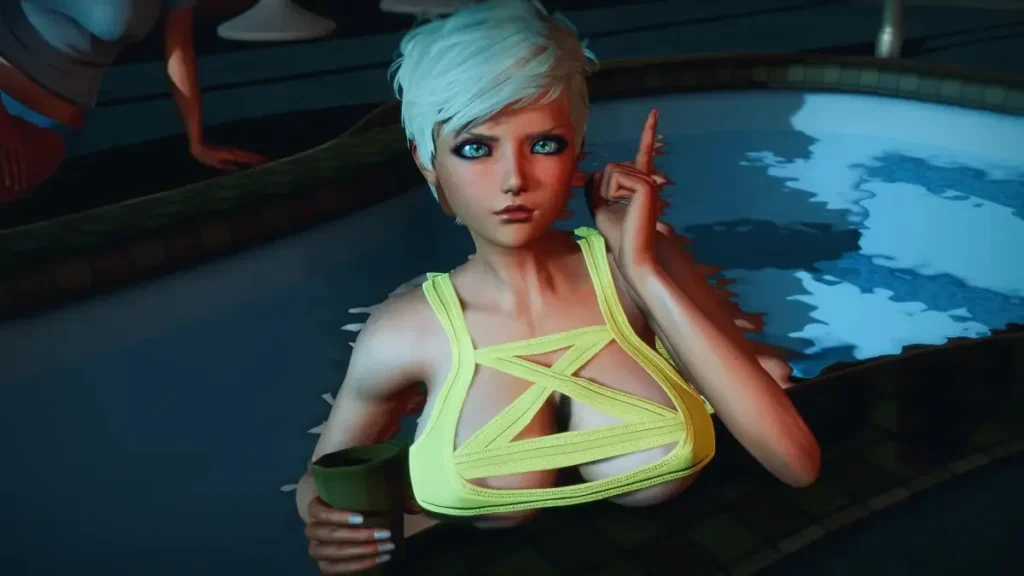

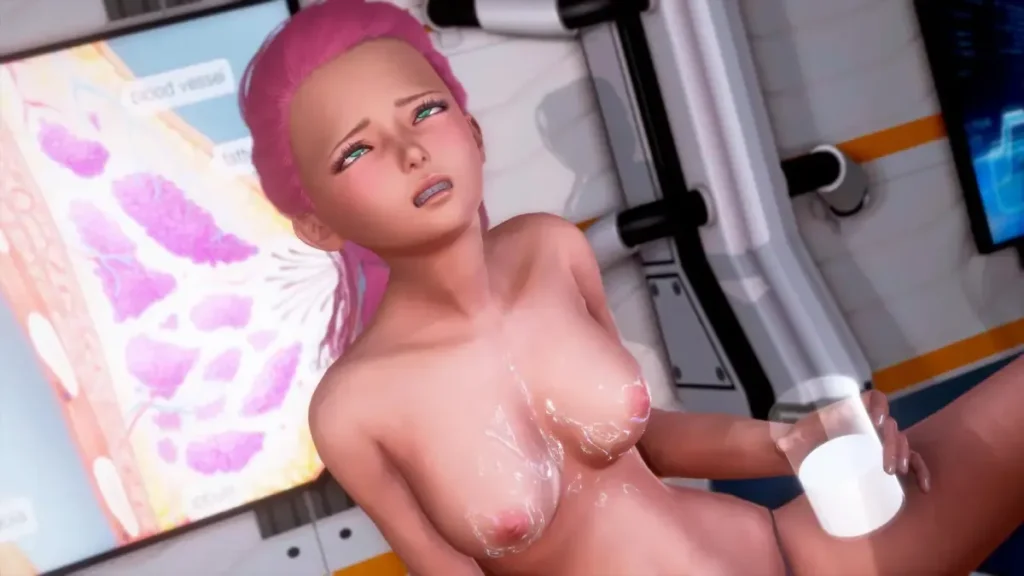

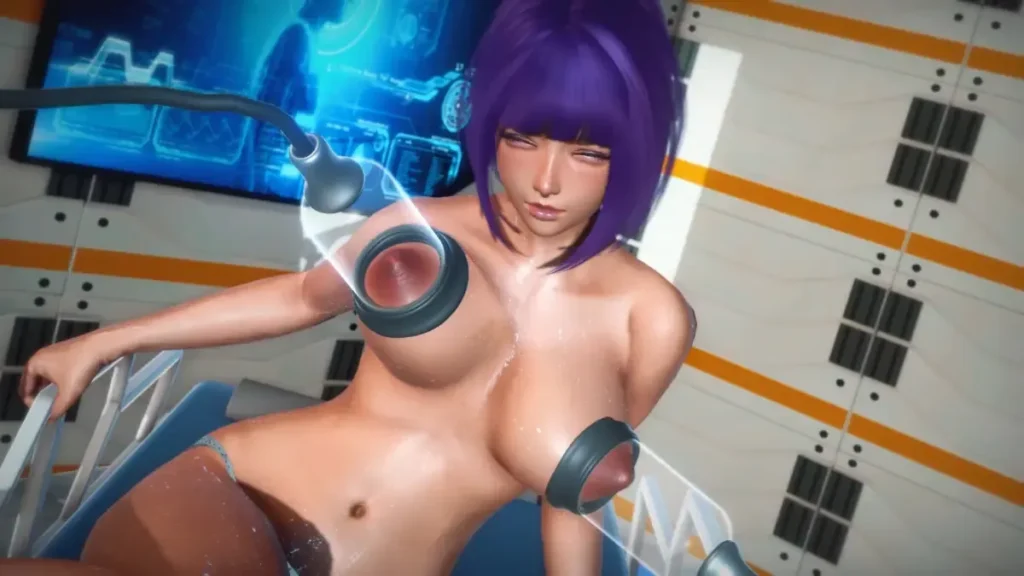
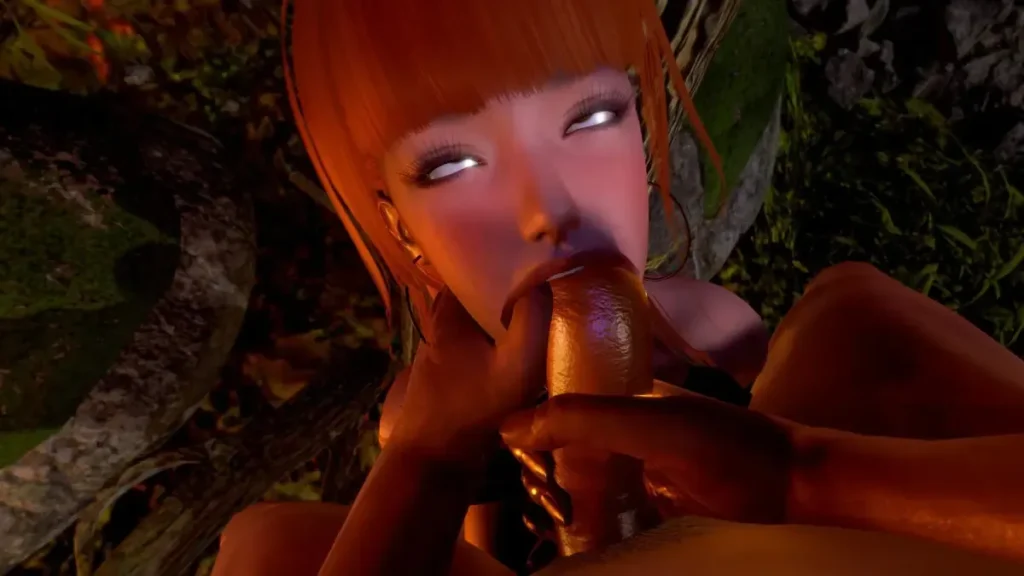

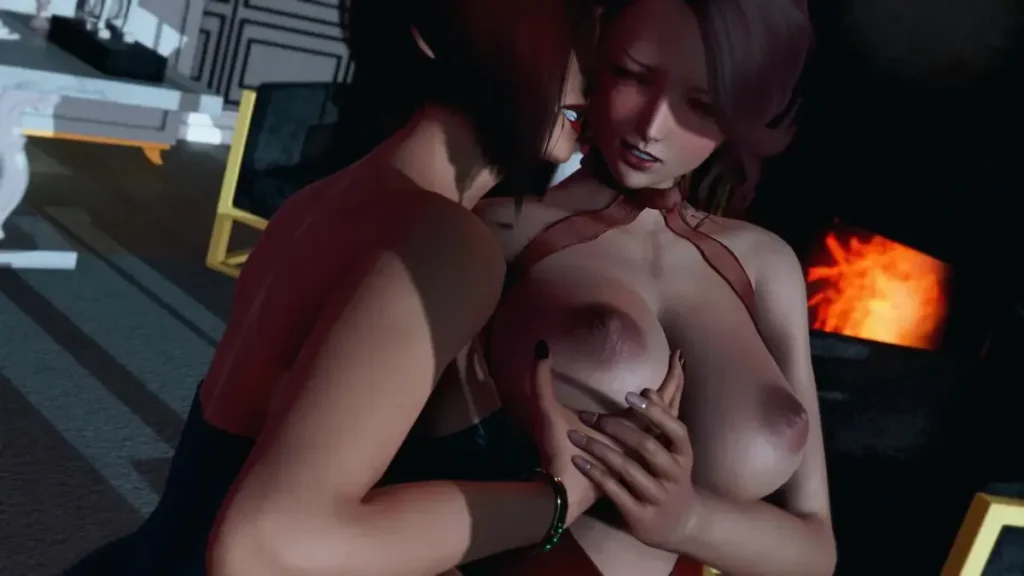
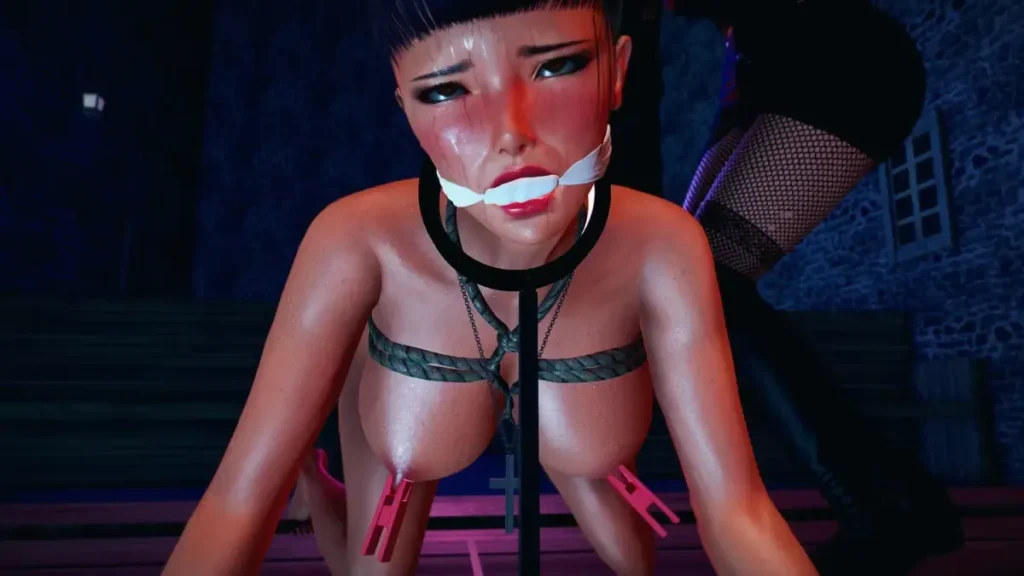

Deviant Anomalies review
A practical, story-focused look at Deviant Anomalies, its mechanics, characters and progression
Deviant Anomalies has quickly developed a reputation as a gritty, story-driven adult game that mixes supernatural mystery, urban drama and interactive relationships in a single package. If you have seen a few screenshots or walkthrough notes but still feel unsure what the game really offers, you are not alone. When I first tried Deviant Anomalies, I was surprised by how much emphasis it puts on narrative, choices and atmosphere rather than just quick scenes. In this guide-style overview, we will unpack the core plot, gameplay systems, character dynamics and practical tips so you can decide whether to dive in and how to get the most out of your first playthrough.
What Is Deviant Anomalies and Why Did It Gain So Much Attention?
So, you’ve heard the name Deviant Anomalies buzzing around, maybe seen a few eye-catching screenshots, and you’re wondering what all the fuss is about. 🤔 Is it just another adult game, or is there something more beneath the surface? Let me pull up a chair at this virtual, slightly sticky bar and give you the real scoop. From my own experience, going in with minimal expectations, I was completely taken off guard by what I found. This isn’t just a collection of scenes; it’s a full-blown, gripping adult visual novel game with a story that hooks you and won’t let go.
In this Deviant Anomalies overview, we’re going to strip away the mystery and look at exactly what this game is, why its story resonates, and how it stacks up in a crowded field. Think of this as your friendly guide before you dive into the city’s shadowy alleyways.
Core premise and setting of Deviant Anomalies
At its heart, the Deviant Anomalies game drops you into a modern, rain-slicked city that feels familiar yet profoundly off-kilter. You play as a guy just trying to get by, whose life is suddenly upended by a series of strange, unsettling events. This isn’t a fantasy realm or a sci-fi colony; it’s our world, but with the cracks in reality beginning to show. The Deviant Anomalies setting is a character in itself—a blend of dimly-lit apartments, neon-drenched bars, gritty back alleys, and later, more mysterious locations that feel pulled from a conspiracy theorist’s dream journal. 🌃
The game structure cleverly blends linear narrative with sandbox-style exploration. You have a central hub (often your apartment) and a map of the city you can explore. Time passes, events trigger on specific days, and your choices about where to go and who to see directly shape the story. This isn’t a passive slideshow; it’s an active investigation where you piece together the puzzle of the “anomalies” haunting the city.
Your role isn’t as a predefined hero, but as an everyman caught in a web of secrets, underground factions, and hidden power struggles. You’ll interact with a cast of complex characters, each with their own motivations, traumas, and secrets. The adult content is woven into these relationships, arising from story development and character connection rather than being the sole objective. It feels earned, which is a crucial distinction.
To quickly summarize what makes this premise work so well:
- Story Depth: You’re playing for the mystery and the character arcs first.
- Atmosphere: The gritty, urban-noir vibe is consistently immersive.
- Sandbox Structure: Your agency in exploring and managing time adds a strategic layer.
- Character Focus: Relationships develop slowly, with emotional weight behind them.
This foundation is why many players, myself included, find themselves more invested in solving the central mystery and helping these broken characters than in rushing toward any single moment. The Deviant Anomalies story is the main engine.
Story tone, themes and narrative focus
If you’re expecting a lighthearted romp, buckle up. The tone of Deviant Anomalies is unapologetically mature, gritty, and often psychologically tense. It masterfully balances moments of dark humor—often through the protagonist’s internal monologue—with a pervasive sense of dread and mystery. 😨 The “anomaly” elements start as whispers and odd occurrences, gradually escalating into something that feels genuinely supernatural and threatening.
The writing excels in exploring heavy, adult themes. We’re talking about emotional vulnerability, past trauma, power dynamics, control, and deep-seated desire. The characters you meet are frequently damaged, navigating their own complex lives, and your interactions can either help mend them or push them further into their struggles. This narrative focus on psychological depth is what separates it from many of its peers.
When you engage with a character’s storyline, you’re often engaging with their history and their pain. Conversations feel meaningful, and choices carry weight, potentially opening up new paths or closing others for good. This makes the development of relationships feel significant. You’re not just checking off a list; you’re navigating a fragile, evolving connection where trust is hard-won.
Many players discover that they are drawn into the Deviant Anomalies story more by these evolving arcs and the overarching conspiracy than anything else. The explicit content becomes a part of that character’s journey, a manifestation of the intimacy, control, or release within their specific narrative. It’s a game that asks you to invest emotionally, and in return, it delivers a narrative payoff that is rare in the genre. This focus on a strong, mystery-driven plot is a core answer to “is Deviant Anomalies worth playing” for story-loving players.
How Deviant Anomalies compares to other adult story games
The landscape of adult games is vast, ranging from quick, simple productions to sprawling narrative epics. So where does Deviant Anomalies fit? Let’s break it down.
Firstly, it stands head and shoulders above many free or low-budget projects in terms of production. The visuals and animations are of notably higher quality, which significantly boosts immersion. More importantly, its story arcs and quest-style progression are far more complex. You have multi-part character missions, inventory items, and puzzle-like progression that feels more like an adventure game than a standard visual novel.
However, this complexity comes with a trade-off. The pacing can be slower and more deliberate than some players might be used to. This isn’t a “click-through” experience. It requires attention, exploration, and sometimes patience as you wait for in-game time to pass or for specific events to trigger. For players who crave instant gratification, this might be a hurdle. But for those who savor narrative depth, world-building, and the satisfaction of a long-burn mystery, it’s a feature, not a bug.
I remember booting it up the first time, thinking I knew exactly what kind of experience I was in for. Two hours later, I realized I hadn’t even thought about ‘adult content’—I was fully engrossed in figuring out what was happening to the girl in the apartment down the hall and who the mysterious figures tailing me were. The story completely took over.
To give you a clearer picture, let’s look at a direct comparison:
| Feature | Deviant Anomalies | Many Standard Adult VNs |
|---|---|---|
| Primary Focus | Mystery plot & character-driven narratives | Romance pathways or direct scene collection |
| Gameplay Structure | Hub-based sandbox with time management | Linear chapter progression or branching choices |
| Pacing | Slow burn, deliberate build-up | Often faster-paced to reach key moments |
| Character Development | Deep, trauma-informed arcs over time | Often lighter, archetype-driven development |
From my perspective, in this Deviant Anomalies review context, what makes it stand out is its commitment to its own atmosphere and story. It doesn’t feel like it’s apologizing for its narrative depth or its darker themes. It fully embraces them, creating a unique and sticky experience. You remember the mood of the city, the tension in a conversation, and the shock of a plot revelation long after you’ve closed the game. 🧠
So, is Deviant Anomalies worth playing? If you approach adult games hoping for a compelling story, complex characters, and an atmosphere you can sink into, then the answer is a resounding yes. It offers a sophisticated, binge-worthy experience that proves the genre can be a vehicle for truly engaging narrative fiction. It’s a game that deserves attention not for a single aspect, but for how confidently it blends mature themes, mystery, and character into a complete and captivating package.
Deviant Anomalies is much more than a quick, disposable download. It is a moody, slowly unfolding experience where your decisions shape how the main character navigates a city full of secrets, complicated allies and dangerous temptations. If you are curious about the game because you saw a few striking renders or heard that the story goes into darker territory, approaching it with a guide and some patience will help you appreciate how its quests, systems and relationships connect. Use this overview as a starting point, follow the paths that fit your playstyle, and let your own choices determine how deep you go into the world of Deviant Anomalies.