Stranded in Space
Play Stranded in Space
Stranded in Space Screenshots







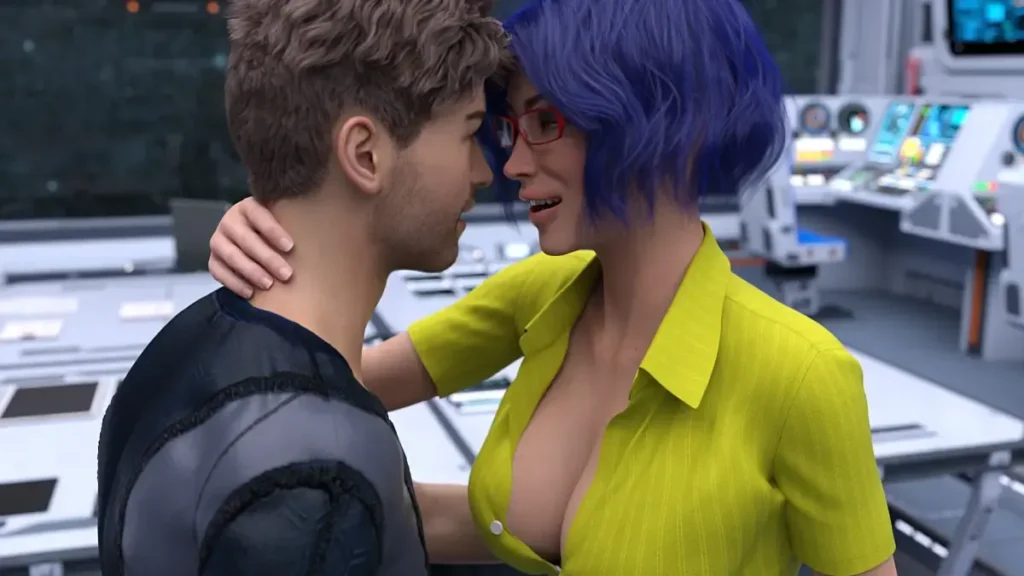


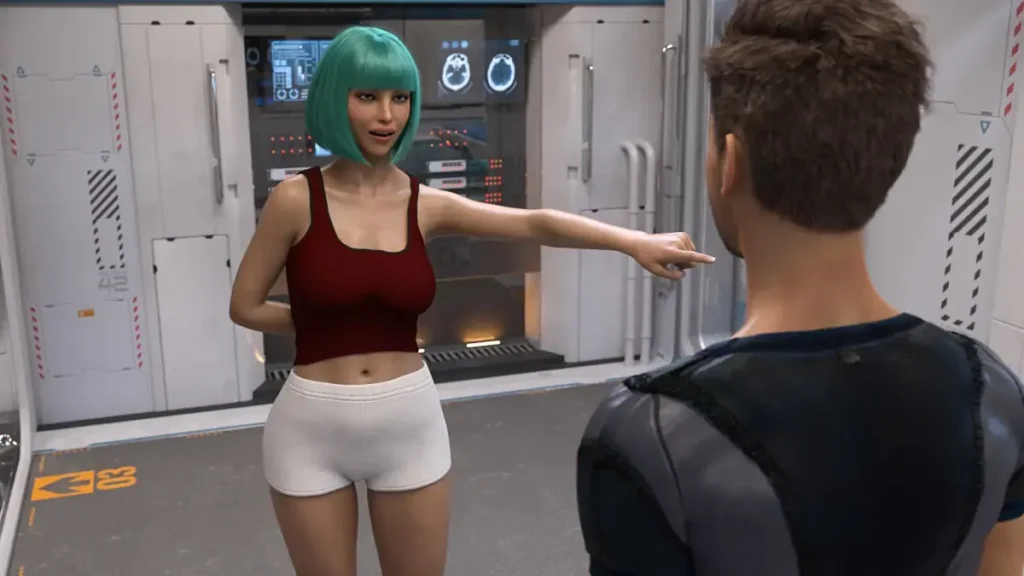

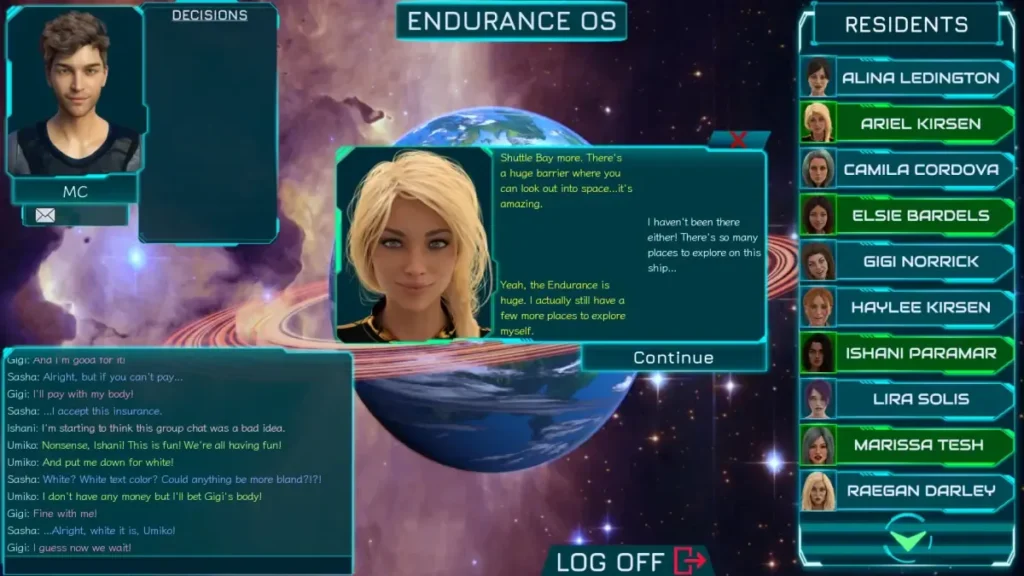

Stranded in Space review
Story, gameplay, characters and tips for mastering Stranded in Space
Stranded in Space drops you into a lonely, dangerous sci‑fi setting where survival, relationships and exploration all collide. If you’ve seen the name pop up on forums or storefronts but aren’t sure what the game really offers, this guide is for you. I’ll walk you through how Stranded in Space plays, what makes its story and characters stand out, and the kind of experience you can realistically expect. Along the way I’ll share personal impressions, examples from actual play sessions, and concrete tips so you can decide whether Stranded in Space deserves a spot in your library.
What Is Stranded in Space and How Does It Play?
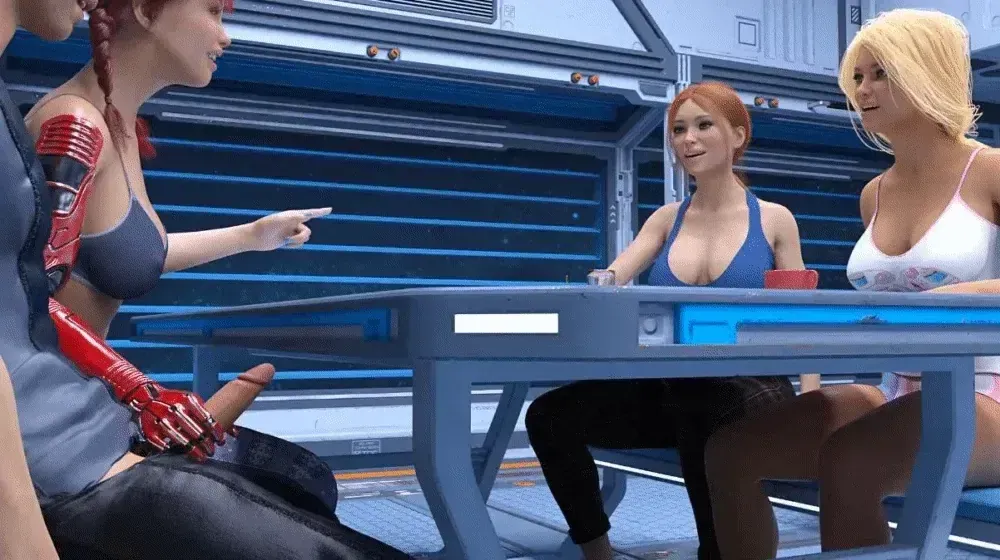
So, you’ve heard the name, seen some intriguing screenshots of a lonely spaceship, and now you’re wondering: what exactly is the Stranded in Space game? 🤔 If you’re picturing frantic dogfights or base-building on an alien planet, you might be in for a surprise. This isn’t that kind of space adventure. Instead, think of it as a deeply personal, character-driven story where the vast emptiness of space is just the backdrop for a very human (and often hilarious) drama.
Let’s dive in and unpack everything about this unique sci fi adventure game, from its core premise to the rhythm of its daily play. By the end of this chapter, you’ll know exactly how it works and if it’s the right kind of cosmic getaway for you.
What is the core concept of Stranded in Space?
At its heart, Stranded in Space is a narrative exploration game wrapped in a sci-fi shell. 🚀 The core premise is brilliantly simple yet endlessly engaging: you play a character who is, quite literally, stranded light-years from home aboard a seemingly derelict vessel or outpost. You’re not a galaxy-saving hero; you’re just someone trying to figure out how you got there, how to survive, and maybe, how to get back.
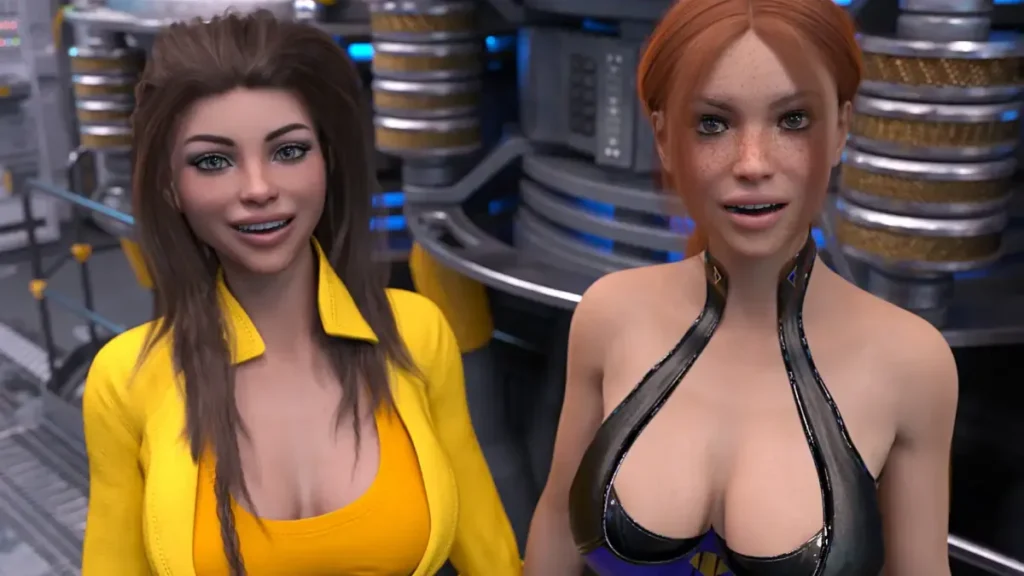
The isolation is real, but you’re not completely alone. The game populates your confined world with a small cast of other characters—be they fellow survivors, quirky AI, or mysterious aliens. Your relationships with them are the true engine of the story. Each in-game day becomes a delicate dance of exploration, conversation, and light problem-solving. You’ll piece together the mystery of your situation not through explosive cutscenes, but through emails, log entries, and, most importantly, the conversations you choose to have.
The writing is consistently praised in community discussions for being sharp, witty, and full of heart. It masterfully balances a comedic tone with moments of genuine tension and emotion. You’ll find yourself laughing at a sarcastic comment from the ship’s computer one moment and feeling the weight of a crewmate’s confession the next. This is a story driven space game in the purest sense; the plot progresses based on who you talk to, what you discover, and the choices you make in dialogue.
However, it’s fair to note that some players feel the opening hours can have a somewhat linear, presentation-like feel as the game establishes its characters, rules, and setting. It asks for a bit of patience and investment in its world before the narrative branches truly begin to unfold.
How does the gameplay loop in Stranded in Space work?
Forget complex skill trees or inventory management. The Stranded in Space gameplay is all about routine and discovery. The game operates on a daily cycle structure, which creates a comforting, almost meditative rhythm.
Here’s a snapshot of what a typical day might look like:
Your eyes blink open to the soft, artificial glow of your bunk’s lighting. Another “day” on the station. You check your personal terminal—a few new messages have pinged in overnight. One is from ENSIGN KAI, asking if you’ve had a chance to look at the weird readings from the hydroponics bay. Another is a system alert about a minor power fluctuation in Sector 3. After a synthetic “coffee,” you head out. Your first stop is the commons, where you find the engineer, JAX, tinkering with a broken servo. You can choose to help (triggering a small puzzle), simply chat about their homeworld, or ask about those power fluctuations. Later, in hydroponics, the “weird reading” turns out to be a malfunctioning environmental control panel. Solving it requires linking a few circuit paths in a simple, satisfying mini-game. Success unlocks a new scene: Kai joins you, thanks you, and shares a story about their family, deepening your connection. As the day-cycle ends, you return to your quarters, the story having subtly shifted based on your actions.
This loop is the soul of the game. Mechanics are elegantly woven into the narrative:
* Daily Cycles: Time is your primary resource. Each day, you have a set amount of “energy” or time units to spend on actions.
* Character Check-Ins: Talking to your crew isn’t just filler. It’s the main way you unlock story branches, learn backstory, and influence relationships.
* Light Puzzles & Mini-Games: These are never brutally hard. They’re environmental—fixing consoles, decoding signals, rerouting power. They serve the story, providing a break from reading and a tangible sense of progress.
* Unlocking Scenes: Progress is measured in discovered scenes and character moments. Building a relationship with a crewmate might unlock a special conversation in the observation deck, revealing a crucial plot detail.
My own “aha!” moment with this loop came on my very first in-game day. I rushed through my initial conversations, thinking the puzzles would be the “real” challenge. I hit a story checkpoint that required a piece of information I’d glossed over in a chat with an AI character. I had to replay the entire day. 😅 It was a gentle but effective lesson: in Stranded in Space, listening is playing. The game’s rhythm rewards careful attention. Slowing down, reading every dialogue option, and immersing yourself in the routine is how you master it.
Who will enjoy Stranded in Space the most?
Let’s be direct: Stranded in Space is a specific flavor of game, and it won’t be for everyone. Knowing if you’re its ideal player is key to answering the big question: “Is Stranded in Space worth it?” for you.
This game will be a perfect match if you:
* Love narrative-driven games where story and character are the primary rewards.
* Enjoy reading and delving into detailed dialogue and lore.
* Appreciate sci-fi settings that focus on human (or non-human!) drama rather than just lasers and warp drives.
* Like slower-paced, thoughtful gameplay where curiosity is your main tool.
* Value strong, consistent writing with humor and heart.
Conversely, you might want to look elsewhere if you:
* Crave fast-paced, action-heavy gameplay or twitch-based reflexes.
* Prefer games with open-ended exploration across vast planets.
* Dislike reading large amounts of text.
* Want deep, systemic mechanics for crafting, combat, or ship management.
To help visualize this fit, here’s a quick breakdown of what the game excels at and where some players might hesitate:
| Strengths | Considerations |
|---|---|
| Engaging, character-driven writing with excellent comedic timing | Pacing starts slowly, focusing on setup and character introduction |
| A compelling, mystery-box narrative that unfolds through player discovery | Gameplay is focused on conversation and light puzzles, not action or complex systems |
| A satisfying daily-loop structure that creates a addictive “one more day” feeling | The initial experience can feel guided as the game teaches its rules |
| Meaningful relationship-building that directly impacts the story | Replay value is in exploring different dialogue branches, not drastically different outcomes |
| Accessible puzzles that are integrated logically into the world | Overall complexity is in narrative choices, not mechanical difficulty |
So, where do you fall? Do you get more satisfaction from a perfectly delivered line of dialogue or a perfectly timed headshot? Your answer will tell you a lot. For those in the former camp, Stranded in Space offers a uniquely compelling experience.
This brings us to the final, practical point: Stranded in Space game length. This isn’t a 100-hour epic. It’s a focused, narrative experience that typically runs between 6 to 12 hours, depending on how thoroughly you explore every conversation and optional scene. This length feels just right—long enough to become deeply invested in the characters and mystery, but concise enough that the story doesn’t overstay its welcome.
Ultimately, mastering Stranded in Space isn’t about quick reflexes, but about patience and attention. It rewards the player who savors each day, who talks to everyone, and who treats every interaction as a piece of a larger, deeply personal puzzle. If you’re ready to settle into the rhythm of life aboard a lonely ship, where the next great revelation might be hiding in a casual chat over recycled water, then your journey is about to begin. 🪐
Stranded in Space is the kind of game that quietly grows on you if you give it a little time. Once you settle into its daily rhythm, the focus on story, dialogue and character moments creates a surprisingly immersive sci‑fi experience. If you enjoy narrative‑heavy games where choices, conversations and a sense of isolation in space take center stage, this title is an easy recommendation. Take your time with the early sections, pay attention to the little details, and let the world unfold at its own pace. When you do, Stranded in Space can feel less like a quick distraction and more like a memorable trip into the unknown.