Unveiling the Unknown
Play Unveiling the Unknown
Unveiling the Unknown Screenshots

Unveiling the Unknown review
Explore the narrative depth, gameplay mechanics, and artistic vision behind this adult visual novel experience
Unveiling the Unknown stands as a distinctive entry in the visual novel genre, combining narrative-driven storytelling with interactive gameplay elements. This comprehensive guide explores what makes this title noteworthy, from its artistic presentation to its mechanical design choices. Whether you’re curious about the game’s structure, interested in understanding its thematic elements, or seeking insight into how it balances story and gameplay, this article provides an in-depth examination of what the game offers to players seeking mature, character-focused experiences.
Understanding Unveiling the Unknown: Core Gameplay and Structure
Ever stumbled into a game that completely rewired your expectations for a genre? 😲 That was my experience with Unveiling the Unknown. I went in expecting a standard, click-through story, but what I found was a rich, pulsating world that demanded my participation. This isn’t just a story you watch; it’s a world you inhabit and shape. At its heart, Unveiling the Unknown gameplay is a masterful blend of classic visual novel immersion and sharp, engaging RPG-style interactions, creating an interactive narrative game that stays with you long after you close it. If you’re tired of passive experiences and crave a tale where your decisions carve unique paths through a shadowy, adult-oriented world, then you’re in the right place. Let’s pull back the curtain and explore what makes this journey so compelling.
What Makes This Visual Novel Stand Out? 🎭
In a sea of digital stories, Unveiling the Unknown doesn’t just float—it commands attention. My first night with the game, I promised myself “just one more chapter” and suddenly the sun was coming up. ⏳ Why? Because it seamlessly merges two passions: the deep, character-driven storytelling of premium visual novels and the tangible, skill-testing fun of light RPG systems. This visual novel with RPG elements is designed for players who think, “I wish I could do something in this scene, not just read it.”
The game is unapologetically crafted for a mature audience. Its adult visual novel mechanics aren’t about gratuitous content; they’re about mature themes, complex relationships, and consequences that feel weighty and real. The narrative tackles ambition, betrayal, desire, and moral ambiguity, treating you like an intelligent participant rather than a passive observer. The artistic vision is dark, sleek, and dripping with atmosphere, pulling you into its neo-noir setting from the very first frame. For players seeking an experience that values their intellect and agency, Unveiling the Unknown is a standout title. It understands that true immersion comes from engagement, both emotional and tactical.
Gameplay Mechanics and Interactive Elements 🕹️
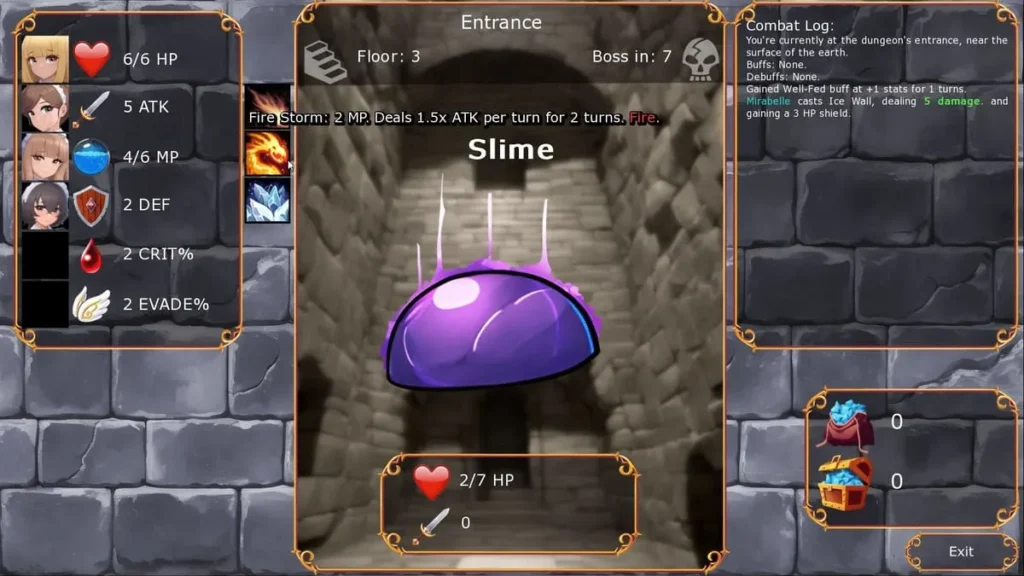
So, how does it all work? Let’s break down the Unveiling the Unknown gameplay loop. Imagine a beautifully illustrated graphic novel where, at critical junctures, you don’t just choose a dialogue option—you engage in a tense lock-picking minigame, manage a character’s stress resources during a confrontation, or use collected clues to piece together a mystery in a dedicated investigation screen. This is the core genius of its design. The visual novel game structure provides the narrative backbone, while the integrated RPG modules provide the muscle and sinew.
The flow is intuitive. You’ll spend most of your time in classic visual novel mode: reading evocative text, admiring stunning character art and backgrounds, and making dialogue and narrative choices that influence relationships and plot directions. But periodically, the game introduces its interactive modules. These aren’t random arcade breaks; they are contextual, diegetic actions your character would logically perform. Succeeding in these moments often unlocks new dialogue options, reveals hidden story paths, or helps you avoid negative consequences.
Pro Tip: Don’t rush through the RPG segments! I learned the hard way that failing a hacking minigame early on closed off an entire alliance path. Taking your time to understand each mechanic is key to unlocking the full story.
Here are the key gameplay features and mechanics that define this interactive narrative game:
- Dialogue & Relationship Webs: Every conversation can alter your standing with the intricate cast. Choices are rarely simple good/evil; they reflect different philosophies and approaches.
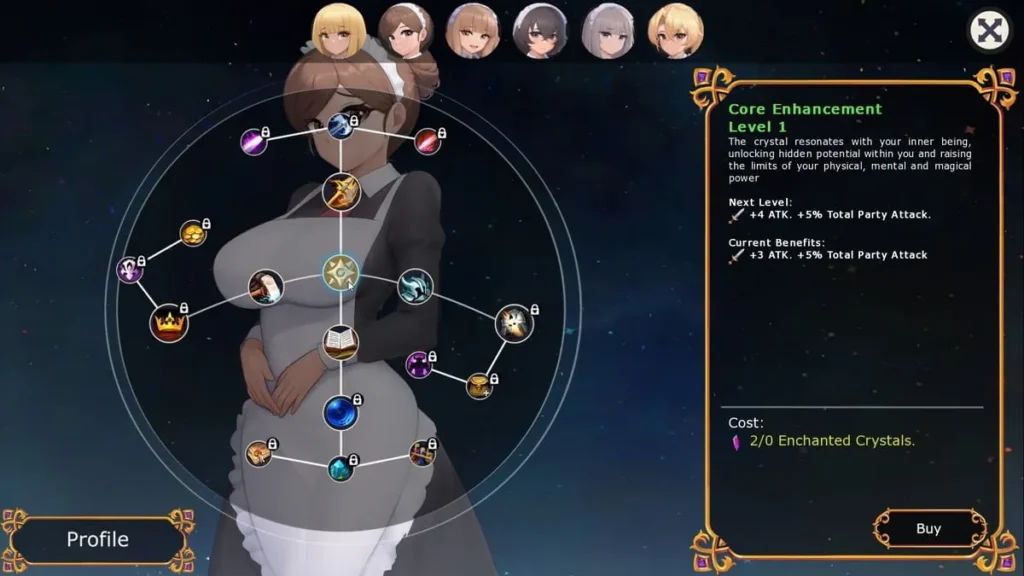
- Resource Management (Stress & Focus): Your character has mental and emotional stats. Demanding conversations or stressful events can drain these, affecting performance in minigames and opening up or limiting certain narrative choices later.
- Skill-Based Minigames: From deciphering codes to influencing crowds, these modules test your observation, timing, or logic. Your performance has direct narrative repercussions.
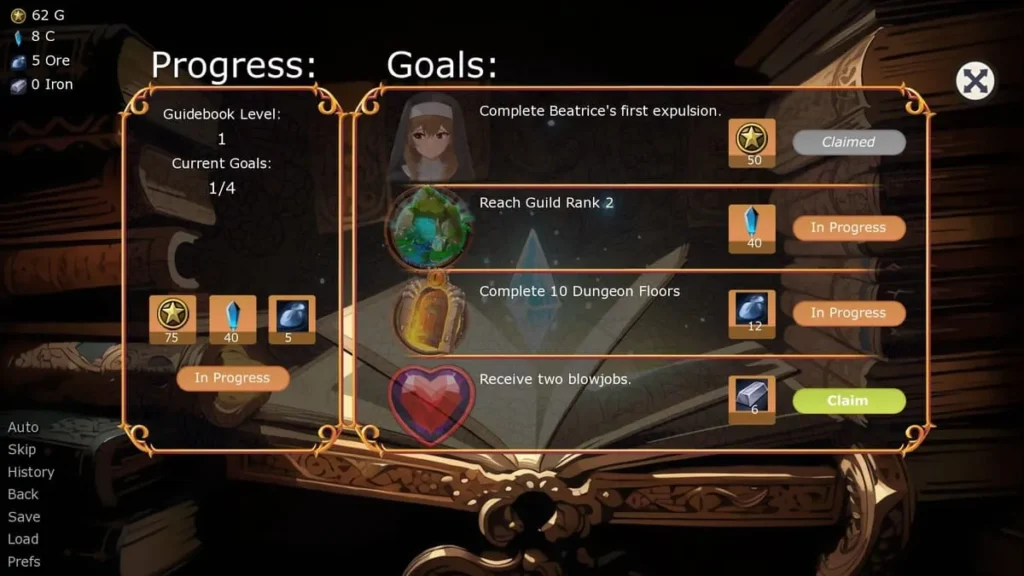
- Inventory & Clue System: Key items you find aren’t just for show. You must actively combine and use them in specific scenes to progress, fostering a detective-like engagement.
- Branching Scenario Map: The story doesn’t follow a single thread. A visual map shows how chapters branch and diverge based on your major choices, encouraging replayability.
To give you a clearer picture of how these systems interact, here’s a breakdown:
| Gameplay Phase | Primary Activity | RPG Element Integration | Player Skill Focus |
|---|---|---|---|
| Narrative Exploration | Reading story, making dialogue choices, developing relationships. | Hidden “relationship points” and “trust meters” determine available options. Resource levels (Stress) influence dialogue outcomes. | Empathy, strategic thinking, role-playing. |
| Interactive Challenge | Engaging with contextual minigames (e.g., hacking, persuasion). | Success/failure directly alters the subsequent narrative path. Uses a separate skill stat pool. | Reflexes, puzzle-solving, pattern recognition. |
| Story Management | Reviewing the clue journal, using inventory items, viewing the branching path map. | Clues are literal keys to unlocking story segments. The map visually tracks your unique playthrough. | Organization, deduction, long-term planning. |
This elegant fusion means how to play Unveiling the Unknown involves switching hats: one moment you’re a diplomat choosing your words carefully, the next you’re a technician needing a steady hand. It keeps the experience dynamic and justifies its visual novel with RPG elements label completely. The pacing is deliberate, allowing tension to build in the narrative sections before releasing it in these interactive bursts.
Narrative Structure and Story Progression 📖
The soul of any great visual novel is its story, and Unveiling the Unknown boasts a meticulously crafted one. The visual novel game structure here is non-linear and deeply reactive. Instead of a straight line, your journey feels more like navigating a spider web of possibilities, where each strand represents a choice made or a relationship nurtured. The game is structured into distinct “Acts,” each comprising several chapters that can play out in different orders based on your prior decisions.
The character-driven storytelling is paramount. You aren’t saving a faceless world; you’re navigating a tangled web of alliances and enmities with a handful of deeply flawed, fascinating individuals. I remember deliberately replaying a chapter to win over a cynical informant, and the subsequent shift in how the story unfolded—with her providing crucial help—was incredibly rewarding. Your choices in dialogue and action determine which character arcs you uncover, which secrets are revealed, and ultimately, which of the multiple endings you earn. This approach makes the narrative feel personal and owned.
The interactive narrative game design shines in its progression system. Major plot points are often gated behind a combination of narrative choices and successful completion of RPG modules. For example, to gain access to a villain’s stronghold, you might need to have earned a certain character’s trust (narrative choice) and successfully synthesized a keycard from gathered components (minigame success). This dual-key system brilliantly ties the two gameplay pillars together. The game length is substantial, offering a 20-25 hour journey for a single playthrough, with double that to explore all major branches—a testament to its dense, choice-rich design.
The adult visual novel mechanics extend into this structure, presenting mature dilemmas without easy answers. Will you sacrifice a principle for a powerful ally? How do you manage a relationship that’s both personally meaningful and strategically valuable? The game doesn’t judge your choices, but it remembers them, allowing consequences to unfold organically, sometimes hours later. This isn’t a story about good versus evil; it’s about shades of gray and the cost of ambition, delivered through a character-driven storytelling framework that makes every victory bittersweet and every loss deeply felt. For those wondering how to play Unveiling the Unknown to its fullest, the answer is simple: engage with every character as if they were real, and be prepared for your decisions to echo through the entire tapestry of the tale. 😌 This is the true strength of its visual novel game structure—it builds a world that feels alive, responsive, and uniquely yours.
Unveiling the Unknown represents a thoughtful approach to adult visual novel design, successfully merging narrative depth with interactive gameplay elements. The game demonstrates careful attention to character development, visual presentation, and player agency through meaningful choices. Its combination of story-focused content and supplementary RPG mechanics creates a distinctive experience within the visual novel genre. For players seeking mature, character-driven narratives with artistic presentation, this title offers substantial content and engaging storytelling. The game’s emphasis on narrative quality and visual design makes it a notable entry for those interested in exploring how visual novels can deliver complex, emotionally resonant experiences. Whether you’re a longtime fan of the genre or new to visual novels, Unveiling the Unknown provides a comprehensive example of how interactive fiction can balance artistic vision with player engagement.