
Jen’s Dilemma
Play Jen’s Dilemma
Jen’s Dilemma Screenshots




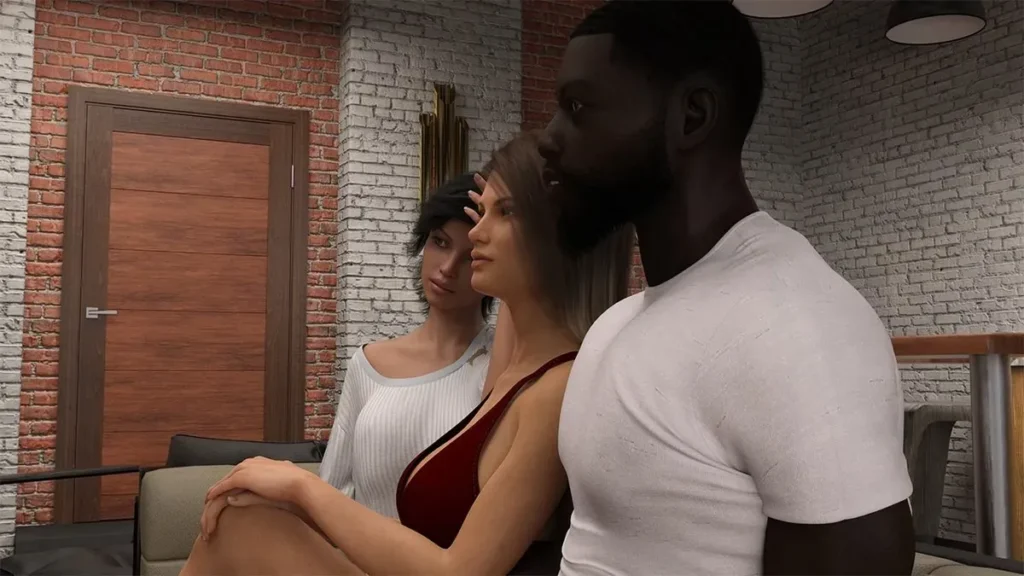












Jen’s Dilemma review
A practical, story-focused look at Jen’s Dilemma and how to get the most out of this choice-driven adult game
Jen’s Dilemma is a story-driven adult game that follows Jen as her life is turned upside down, forcing her from comfort into struggle and difficult decisions. Players step into a world where money problems, pressure from others, and a need to rebuild her life shape every choice. In this guide, I’ll walk you through what makes Jen’s Dilemma stand out, how its sandbox structure really feels to play, and what I learned after sinking hours into its grind-heavy progression. If you’re wondering whether to start this game or how to enjoy it without burning out, you’re in the right place.
What Is Jen’s Dilemma And Why Do Players Talk About It?
Picture this: you’re scrolling through recommendations for a new narrative game, and you keep seeing the same title pop up. A Jen’s Dilemma game that promises tough choices, a compelling fall from grace, and a sandbox world. But what is it, exactly, and why is everyone talking about it? 🤔
Let’s pull back the curtain. At its heart, Jen’s Dilemma is a narrative-driven, sandbox-style adult visual novel that throws you into a pressure cooker of financial desperation and social upheaval. It’s not just about clicking through a linear story; it’s about living a harsh new reality day by day, choice by choice. If you’re looking for a quick, frictionless experience, you might be in for a surprise. But if you’re intrigued by a slow-burn character study with real weight behind every decision, then you’ve come to the right place. Let’s dive into what makes this riches to rags visual novel so uniquely discussed.
The core story behind Jen’s Dilemma
The Jen’s Dilemma story is one of profound dislocation. Imagine Jen: once comfortably wealthy, living a life of assumed security, only to have the rug violently pulled out from under her. 💥 A sudden financial catastrophe forces her and her family out of their cushy existence and into a much rougher, unfamiliar neighborhood. The game begins in the wake of this disaster. You’re not playing as Jen, but as a man who becomes a central figure in her new, unstable world.
This premise sets the stage for a deeply human and relatable conflict. It’s not just about paying bills; it’s about the shock of lost identity, the corrosive pressure to provide for a struggling family, and the quiet humiliation of a downgraded life. Jen’s pride clashes daily with the cold, hard necessity of survival. Every potential opportunity to ease the burden comes tinged with compromise or risk. The emotional tension is the game’s true engine.
What makes the narrative particularly engaging is its refusal to paint in simple black and white. The main male character (your point of view) is no knight in shining armor. He often benefits from Jen’s vulnerable position, leveraging her desperation to push boundaries and further his own interests. This creates a fascinating, morally gray tone that permeates every interaction. Are you helping? Or are you exploiting? The game cleverly leaves that judgment largely up to you, making your role feel uncomfortably active in her “dilemma.”
This gradual erosion of Jen’s old life and her fraught adjustment to a new, grittier social environment is why the game is often perfectly described as a riches to rags visual novel. You witness her initial resistance slowly give way to reluctant adaptation, and then to something more complex, as she faces increasingly compromising situations in her quest to claw back some semblance of stability and dignity.
To summarize, the core pillars of the Jen’s Dilemma experience are:
* A Story Focus on emotional tension and moral ambiguity.
* A Sandbox Structure that makes you live the daily grind.
* Slow Pacing that emphasizes gradual character change.
* The constant pull of Moral Tension in every choice and relationship.
How the sandbox structure shapes your experience
Forget a linear path from story beat to story beat. The Jen’s Dilemma sandbox is all about player-driven discovery and repetition. This is the core of the Jen’s Dilemma gameplay overview. Think of it as a daily life simulator where you move Jen between key locations, manage the passage of time, and patiently wait for narrative threads to unravel. 🔄
Your primary interface is a map. Each day, you have a limited number of “action points” to spend visiting places like Jen’s new home, various neighborhood spots (a café, a park, a shady bar), potential job sites, and other characters’ residences. At each location, you can interact with people or the environment, often advancing time or triggering a small event. The core loop involves:
1. Going to a location where you think something might happen.
2. Taking an action (talk, observe, work).
3. Advancing time (morning to afternoon to evening).
4. Repeating this routine day after day to slowly raise hidden relationship scores, earn money, and meet specific unlock conditions.
This structure is a double-edged sword. On one hand, it grants a powerful sense of freedom and agency. You decide where Jen goes, what she prioritizes, and which relationships to cultivate. The story feels organic because you’re not just following a script; you’re piecing it together through exploration. You become deeply familiar with the rhythm of her new, diminished world.
On the other hand, it introduces a significant element of grind and repetition. Progress is meticulously gated behind specific triggers: a certain time of day, a minimum relationship value with a character, having a particular amount of money, or having visited another location first. If you don’t meet the exact conditions, nothing new happens. You might find yourself visiting the same park for ten in-game days just to finally see a new conversation unlock.
This demands patience and attention to detail. It’s a game that often requires a notebook or, more commonly, a community guide. The sandbox doesn’t hand you the story—it makes you work for it, which can be incredibly rewarding for some and frustratingly opaque for others.
Here’s a quick look at how some core locations and their purposes fit into the sandbox loop:
| Location Type | Examples | Primary Purpose |
|---|---|---|
| Home & Family | Jen’s House | Core story scenes, family dynamics, resting to advance time. |
| Neighborhood Hubs | The Café, The Park, The Bar | Meeting characters, triggering random events, raising relations. |
| Work & Commerce | Job Sites, Various Stores | Earning essential money, unlocking items or outfits for new triggers. |
| Character Homes | Apartments of key figures | Deepening specific storylines, often requiring high relationship scores. |
My first hours with Jen’s Dilemma: expectations vs reality
Sitting down with Jen’s Dilemma, my first impressions were shaped by other narrative games. I expected a more guided experience, where significant story beats and character moments would arrive at a steady pace. I was ready for a dramatic, choice-heavy visual novel. What I got was something different, and it took a few hours for my expectations to recalibrate to the game’s true rhythm. ⏳
The first shock was the pace. After the introductory scenes established the dire situation, I was turned loose on the map. “Great!” I thought, “Let’s go explore and see what happens.” I’d send Jen to the café. Small talk. I’d send her to the park. A brief description. I’d send her home. Nothing. A full in-game week passed with what felt like minimal narrative progress. I started wondering, “Is this broken? Am I missing something?” This is where I, like many players, first opened a browser tab to look up a fan guide.
I learned that to see a new event with a neighbor, I needed to have visited the bar at night three times first. To get a certain job, Jen needed her confidence stat above a specific level, which was raised by buying her new clothes from a store I hadn’t even found yet. The “aha!” moment was realizing this wasn’t a bug—it was the core design. The grind was the point. The repetitive days of nothing happening were meant to mirror Jen’s own frustrating, Groundhog Day-like struggle in her new life.
“I went in expecting a fireworks display of drama, but Jen’s Dilemma is more like carefully building a campfire in the rain. The initial friction is real, but the warmth you eventually earn feels genuinely earned.”
This slower, more methodical pacing had an unexpected benefit: it made me connect with Jen on a deeper level. Her frustration became mine. Her small victories—finally affording a minor luxury, unlocking a slightly friendlier conversation—felt genuinely meaningful. The game’s emotional beats land harder because you’ve invested real time into the mundane struggle that precedes them. You’re not just watching a downfall; you’re managing the agonizingly slow daily reality of it.
So, is Jen’s Dilemma worth playing? My first impressions evolved into a clear picture of its ideal player. You will likely appreciate this Jen’s Dilemma game if:
* You love long-running, incremental character development over quick plots.
* You enjoy piecing together a story yourself through exploration and experimentation.
* You don’t mind a methodical, almost meditative gameplay loop with guides at the ready.
* You are fascinated by morally complex narratives where the line between helper and opportunist is blurry.
Conversely, you might feel frustrated if you seek constant narrative payoff, dislike any form of grind, or prefer a more clearly structured, director-led story experience.
Ultimately, the reason players talk about Jen’s Dilemma is because it commits so fully to its unique vision. It’s a riches to rags visual novel that makes you live the rags, day in and day out. The Jen’s Dilemma story gains its power from the very sandbox grind that defines its gameplay overview. It’s a challenging, sometimes tedious, but undeniably memorable experience that sticks with you precisely because it makes you work for every single revelation.
Jen’s Dilemma is best approached as a long-form, character-driven journey rather than a quick, scene-focused title. The riches-to-rags setup gives Jen real emotional weight, and the sandbox loop, for all its repetition, creates space for gradual change and tough decisions. If you go in knowing that progression is slow and methodical, you can enjoy the tension of each choice and the satisfaction when a new event finally unlocks. Take your time, set small goals for each session, and focus on following Jen’s arc instead of racing through content. That mindset turns the grind from a chore into part of the story.