Netorare Wife Misumi – Lustful Awakening
Play Netorare Wife Misumi – Lustful Awakening
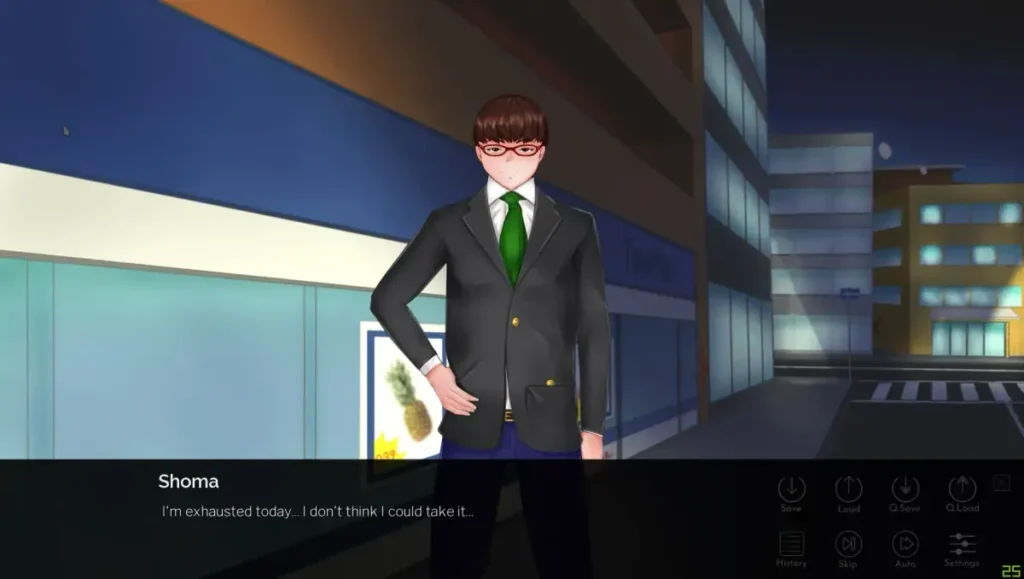
Netorare Wife Misumi – Lustful Awakening Screenshots


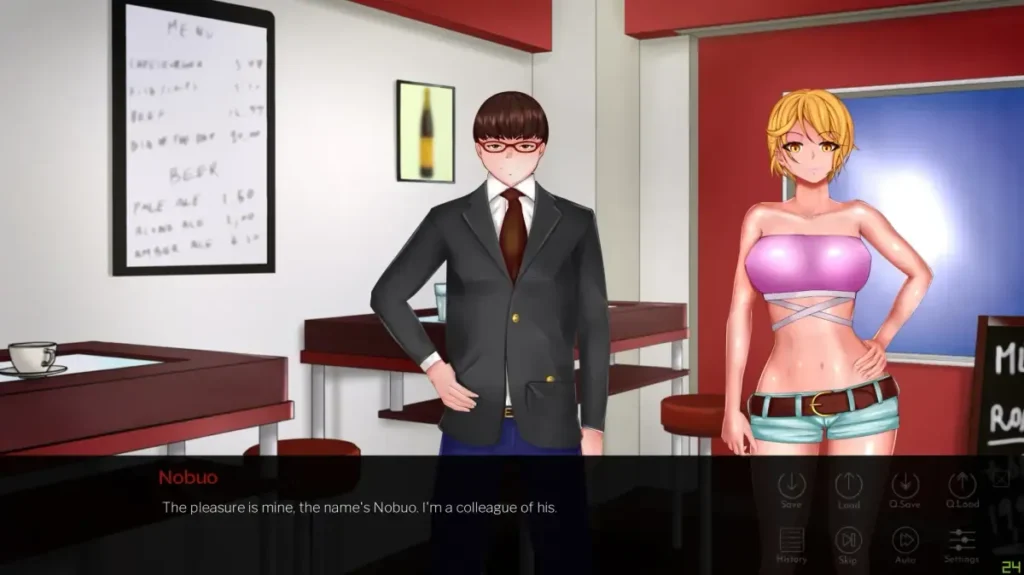


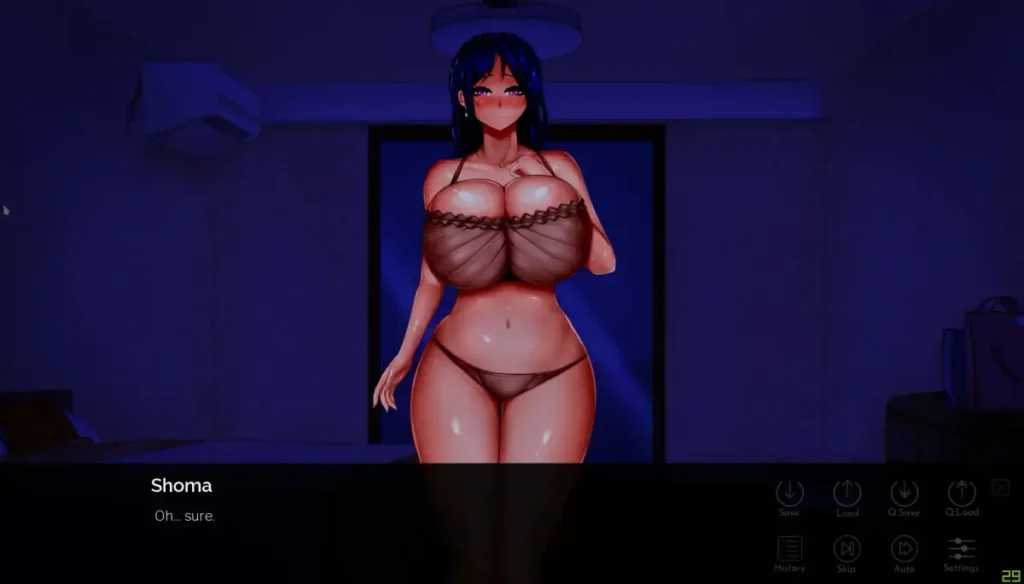

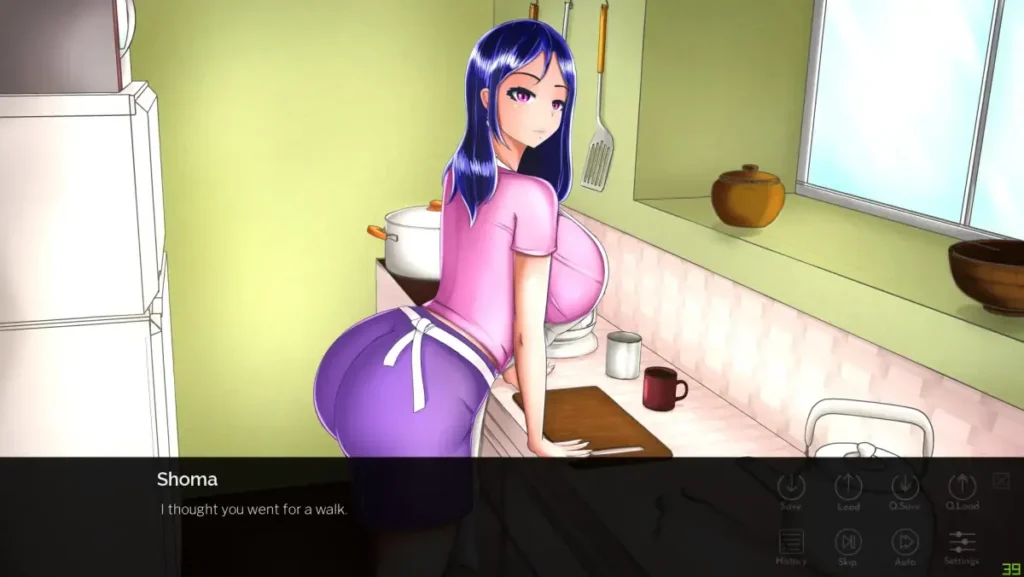
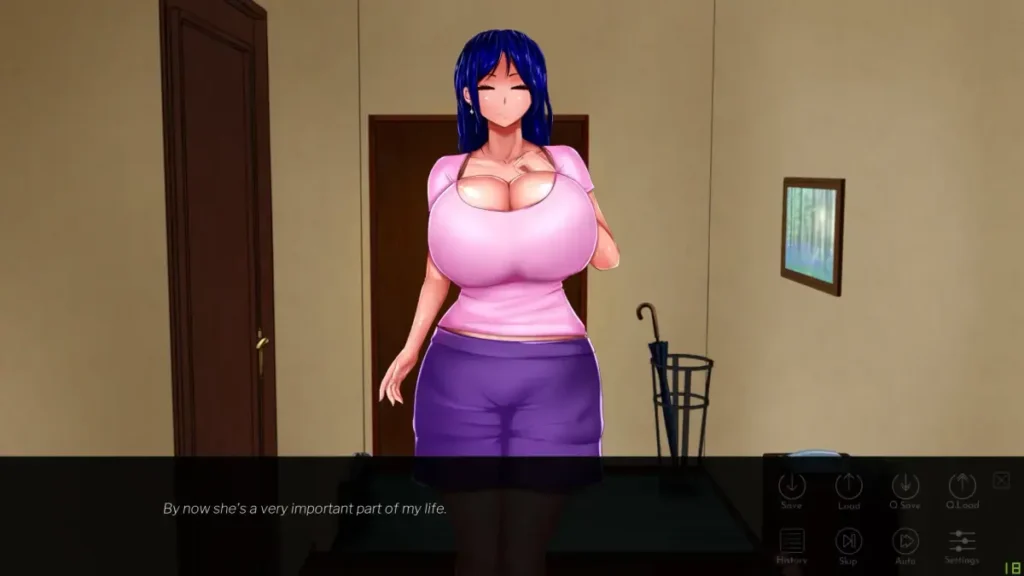

Netorare Wife Misumi – Lustful Awakening review
Explore the narrative choices, character dynamics, and multiple endings in this adult visual novel
Netorare Wife Misumi – Lustful Awakening stands as a compelling adult visual novel that explores complex themes of desire, loyalty, and personal transformation. Developed by Azienda, this choice-driven narrative follows newlyweds Misumi and Shoma as their peaceful domestic life becomes entangled with temptation and emotional conflict. The game’s intricate storytelling, multiple branching paths, and eleven distinct endings have made it a standout title in the visual novel genre. Whether you’re interested in understanding the game’s narrative depth, character development, or strategic gameplay choices, this comprehensive guide provides everything you need to navigate this provocative and emotionally resonant experience.
Understanding the Story and Characters of Netorare Wife Misumi
At its heart, Netorare Wife Misumi – Lustful Awakening is a story about people. It’s about the spaces between what we say and what we feel, the quiet cracks that form in what seems like a perfect surface, and the terrifying, thrilling question of who we might become if we dare to explore our deepest yearnings. 🏡❤️🔥 This isn’t just a game about events; it’s a meticulous study of character dynamics and the fragile architecture of a relationship. Before you can navigate its branching paths and multiple endings, you need to understand the individuals at its core. Their hopes, their flaws, and the subtle pressures that begin to tilt their world off its axis.
This guide will dive deep into the emotional engine of the game, unpacking the Netorare Wife Misumi characters and the complex web that connects them. By understanding the foundation, every choice you make will carry so much more weight.
Who Are Misumi and Shoma? The Central Couple
The game opens with a scene of hopeful mundanity. We meet Shoma and Misumi as they’re moving boxes into their new, modest apartment. There’s a tangible sense of a fresh start, a shared project. You can almost smell the cardboard and feel the tired, satisfied ache in their muscles. This is the visual novel character development at its finest: establishing normalcy so that every subsequent deviation feels monumental.
Shoma is, on the surface, a good man. He’s hardworking, loves his wife deeply, and trusts her implicitly. He sees their move as the next logical step in their happy life. But here’s where the game introduces its first layer of realism: his love can sometimes manifest as complacency. He gets comfortable. He assumes the stability of their bond is a permanent state, not something that needs continuous, active nurturing. His trust is absolute, but that very absoluteness can blind him to the subtle shifts in his wife’s emotional landscape. Playing from his perspective (or making choices that affect him) often involves grappling with this blurry line between trusting love and negligent taking-for-granted.
Then there’s Misumi. To Shoma, and initially to the player, she is the ideal wife: devoted, caring, always there with a warm smile and a supportive word. She organizes their new home with a cheerful diligence that seems to define her. But the genius of her character development lies in what simmers beneath. Is her dedication purely born of love, or is there a part of her that has confined herself to the role of “Shoma’s wife”? The game slowly peels back the layers to reveal an unspoken restlessness, a curiosity about life and her own identity that she hasn’t fully voiced, perhaps even to herself.
I remember playing through their early domestic scenes—the making of breakfast, the quiet evenings—and feeling a sense of peaceful familiarity. But on a second playthrough, knowing what was coming, those same scenes were filled with poignant tension. You start noticing Misumi’s occasional distant look, the way her cheerful routine might also be a cage. It’s masterful storytelling.
The Misumi and Shoma relationship is the bedrock of the entire narrative. It’s portrayed as genuinely loving, which is what makes the coming conflict so potent. This isn’t a story about a broken marriage from the start; it’s about how external forces and internal vulnerabilities can test even a strong bond. Their dynamic forces the player to ask: Can a person be truly happy if a part of them feels unseen? Is it a betrayal to want to be seen in a new light?
Supporting Characters: Chiyo and Isao’s Role in the Narrative
No relationship exists in a vacuum, and this game expertly uses its supporting cast as catalysts and mirrors. They are the forces that push, pull, and reflect the central couple’s struggles, making the Netorare Wife Misumi characters feel part of a real, interconnected world.
First, we have Chiyo, Shoma’s cousin. She’s bubbly, playful, and assists with the move, her presence filling the new apartment with energy and laughter. On the surface, her cousin role is one of support and familial connection. But dig deeper, and she becomes a crucial narrative device. She represents the “outside world” and its perspectives. She’s a confidante, someone both Misumi and Shoma might talk to, offering opinions that can sway the player’s choices. Is she a voice of caution, or does her own playful nature inadvertently encourage a more carefree, risky attitude? Her presence reinforces the initial comfort zone, making the later intrusion feel all the more disruptive. She’s the link to normalcy that makes the descent into dramatic tension so effective.
And then, there’s Isao, the neighbor. 🚪😏 His introduction is a masterclass in building atmosphere. He doesn’t burst in with villainous fanfare; he appears. Charismatic, confident, and carrying an air of mystery, he is the embodiment of the unknown. The Isao neighbor character is not a cartoonish antagonist, but rather the personification of temptation and new experience. He represents a path utterly different from Shoma’s dependable stability. His magnetism isn’t just physical; it’s the allure of a different kind of attention, of being perceived as something thrilling and new.
Isao’s role is to be the catalyst that accelerates the existing, subtle cracks in Misumi and Shoma’s foundation. He is the external question mark that forces internal answers. The game wisely develops him with nuance—he is a complex individual with his own appeal, making the emotional conflict in games feel genuine rather than forced.
To help visualize how these four key figures interact and drive the story, here’s a breakdown of their core roles:
| Character | Role | Key Traits | Significance to the Story |
|---|---|---|---|
| Misumi | The Wife | Devoted, restless, curious, seeking identity | The central point of transformation; her journey of self-discovery drives the narrative’s emotional core. |
| Shoma | The Husband | Hardworking, trusting, loving, sometimes complacent | Represents the stability of commitment; his awareness (or lack thereof) shapes the path of the relationship. |
| Chiyo | The Cousin / Confidante | Playful, supportive, a bridge to the outside world | Acts as a catalyst and sounding board; her presence highlights the “before” state and offers alternative perspectives. |
| Isao | The Neighbor / Catalyst | Charismatic, mysterious, embodies temptation | The external force that disrupts equilibrium; personifies the “desire” side of the central conflict. |
The Central Conflict: Loyalty Versus Desire
Now we arrive at the powerful, beating heart of Netorare Wife Misumi – Lustful Awakening: the loyalty versus desire theme. This isn’t presented as a simple, black-and-white moral battle between “good” and “evil.” Instead, the game frames it as a painfully realistic and human struggle. It’s the conflict between the deep, secure love built on history and commitment, and the intoxicating pull of a new attraction that promises excitement and self-discovery. ⚖️😔
The game brilliantly complicates this by asking: Are they mutually exclusive? Can the loyalty versus desire theme have a middle ground? Through Misumi’s perspective, we explore whether the love for a partner can coexist with a powerful fascination for someone else. Is loyalty defined solely by physical actions, or does emotional wandering constitute its own form of betrayal? The narrative forces the player to sit with these uncomfortable questions, with no easy answers provided.
“The deepest bonds are not chains, but choices. But what happens when you’re faced with a new choice that makes the old one feel like a cage?”
This quote encapsulates the game’s emotional core. It reframes the conflict from a simple test of faithfulness to a profound inquiry about freedom and identity within a relationship. For Misumi, the journey becomes one of transformation. It’s less about “cheating” and more about awakening. Who is she beyond the role she has so comfortably played? Does exploring a hidden part of herself inherently mean destroying the life she has built?
This is where the emotional conflict in games reaches its peak. As a player, you’re not just directing actions; you’re navigating a minefield of feelings. Will you guide Misumi toward confessing her confused feelings to Shoma, risking their stable world for brutal honesty? Will you encourage her to suppress her curiosity in the name of peace, potentially leading to quiet resentment? Or will you let her explore the allure of Isao, step by step, to see where this new path leads—even if it’s toward a painful but authentic self-realization?
The power of this visual novel character development is that every ending, whether it’s one of renewed commitment, tragic separation, or liberated self-discovery, feels earned based on the choices you’ve made in nurturing or neglecting the facets of these characters. The game understands that the most compelling drama isn’t about villains and heroes, but about good people facing impossible choices about their own hearts. By investing in the Netorare Wife Misumi characters and understanding the delicate balance of the Misumi and Shoma relationship, you transform your playthrough from a series of clicks into a genuinely resonant emotional experience.
Netorare Wife Misumi – Lustful Awakening represents a sophisticated entry in the adult visual novel genre, offering far more than surface-level content through its intricate narrative structure and complex character dynamics. The game’s strength lies in its exploration of genuine emotional conflicts—the tension between loyalty and desire, the struggle for personal identity within relationships, and the transformative power of temptation. With eleven distinct endings and a choice-driven system that genuinely impacts the story, the game encourages multiple playthroughs and rewards players who engage deeply with character relationships and dialogue options. Whether you’re drawn to the game for its thematic depth, character development, or intimate storytelling, understanding the mechanics and narrative layers enhances the overall experience. The refined artistic presentation combined with thoughtful pacing creates an emotionally resonant journey that lingers long after completion. For players seeking a visual novel that challenges conventional relationship narratives and explores human desire with nuance and complexity, Netorare Wife Misumi – Lustful Awakening delivers a compelling and memorable experience.